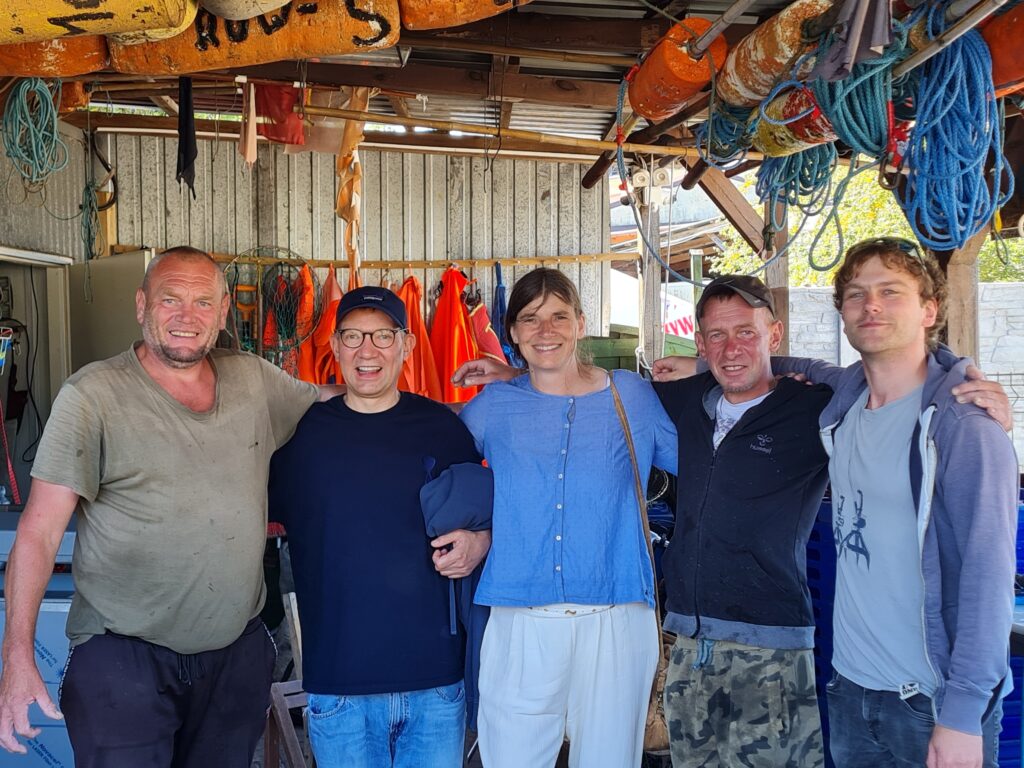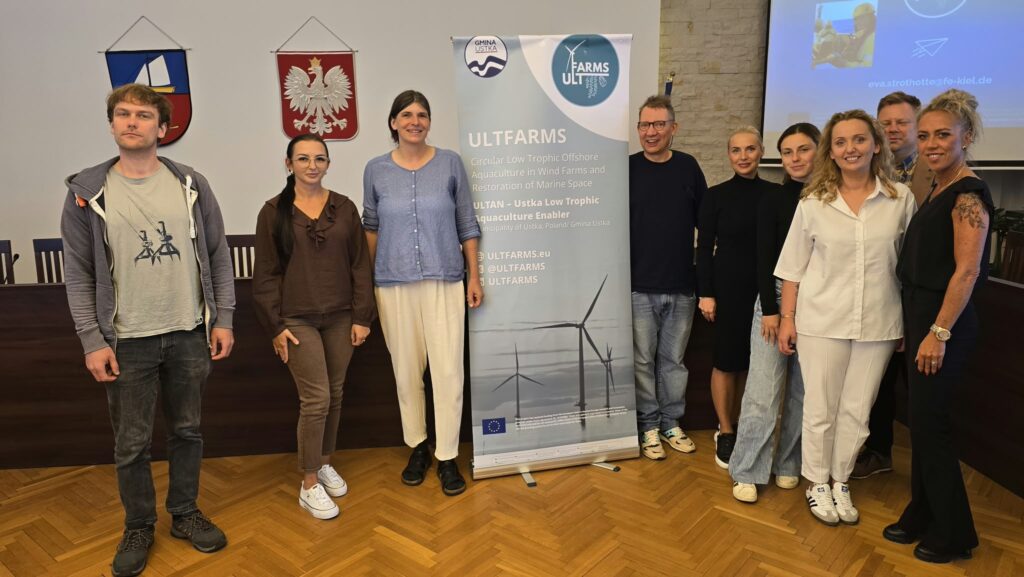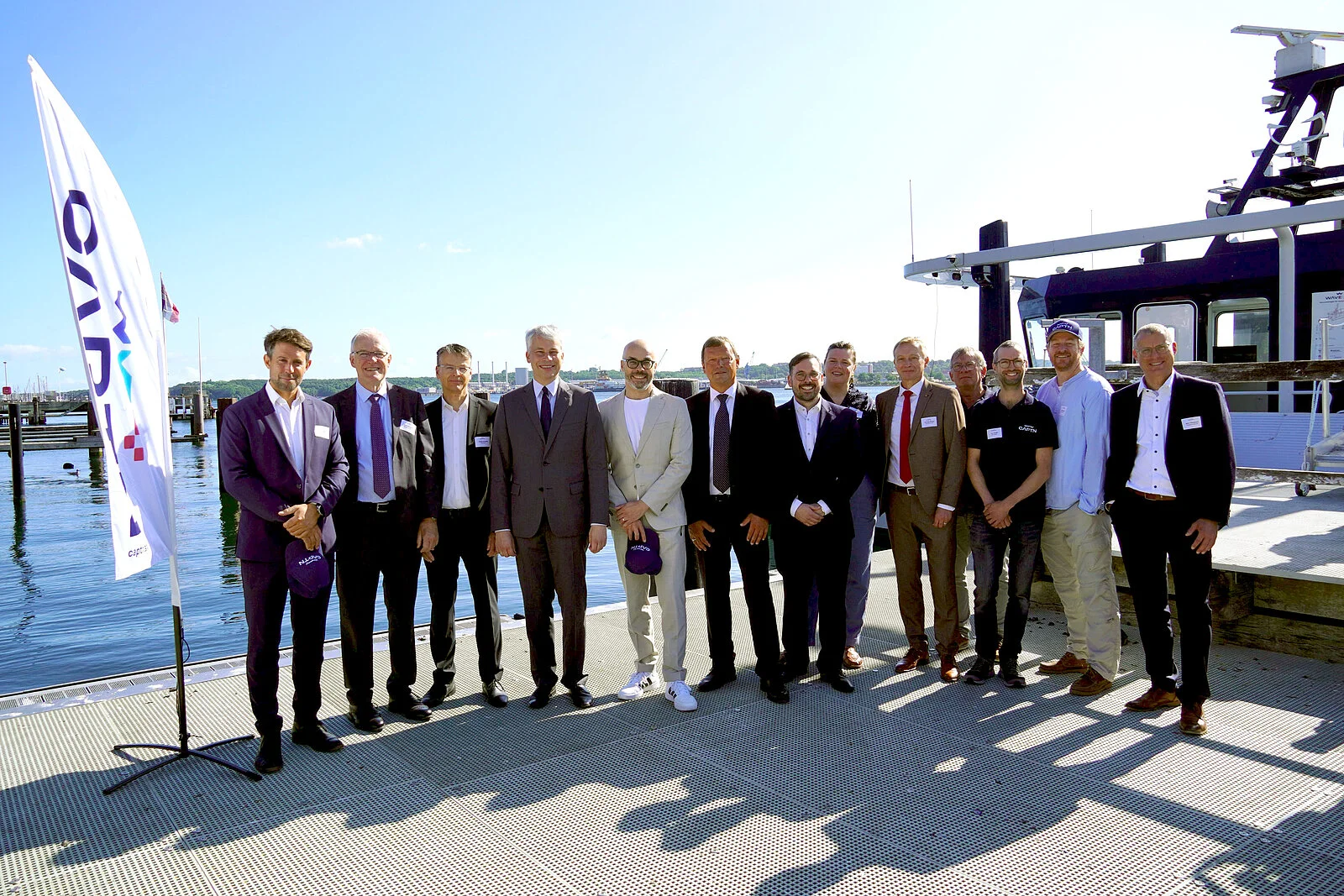

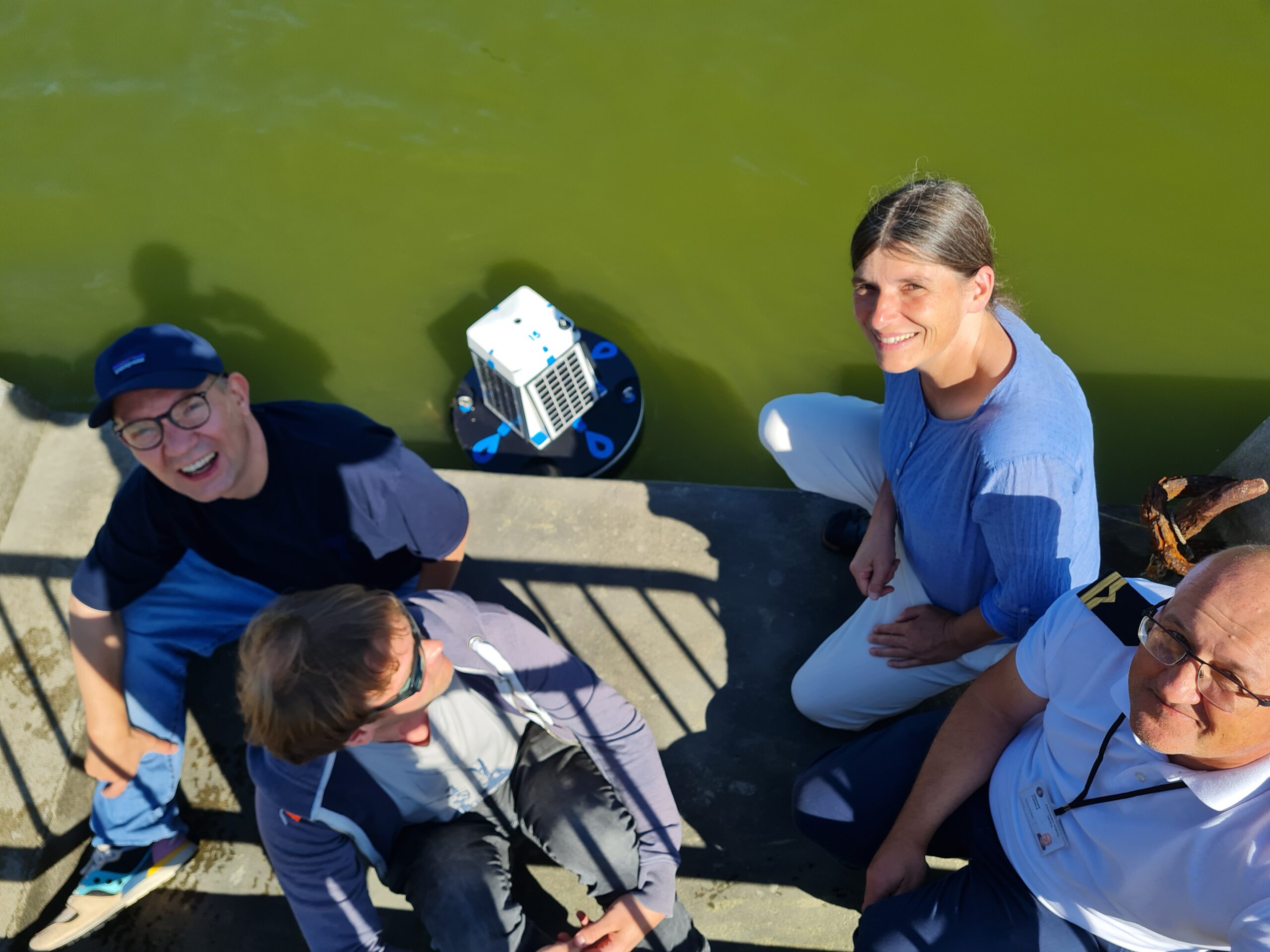
Within the framework of the ULTFARMS project, a visit for the purpose of knowledge sharing brought together representatives from ULTFARMS, led by F&E GmbH in Germany, and officials from the Municipality of Ustka in Poland, which is involved in ULTFARMS via the related ULTAN project – Ustka Low Trophic Aquaculture Enabler. This visit served as an opportunity for the exchange of practical knowledge, evaluating potential locations, and strengthening partnerships to implement low-trophic aquaculture and multifunctional marine activities.
A significant aspect of the visit was to examine the ULTFARMS pilot initiatives and their possible adaptation for the Ustka area. Participants toured potential sites for future endeavors, evaluating their suitability based on environmental factors, current marine uses, accessibility, and the possibilities for integrating low-trophic aquaculture and ecosystem restoration. These site assessments yielded valuable insights into the prospects for future demonstration initiatives in Poland.
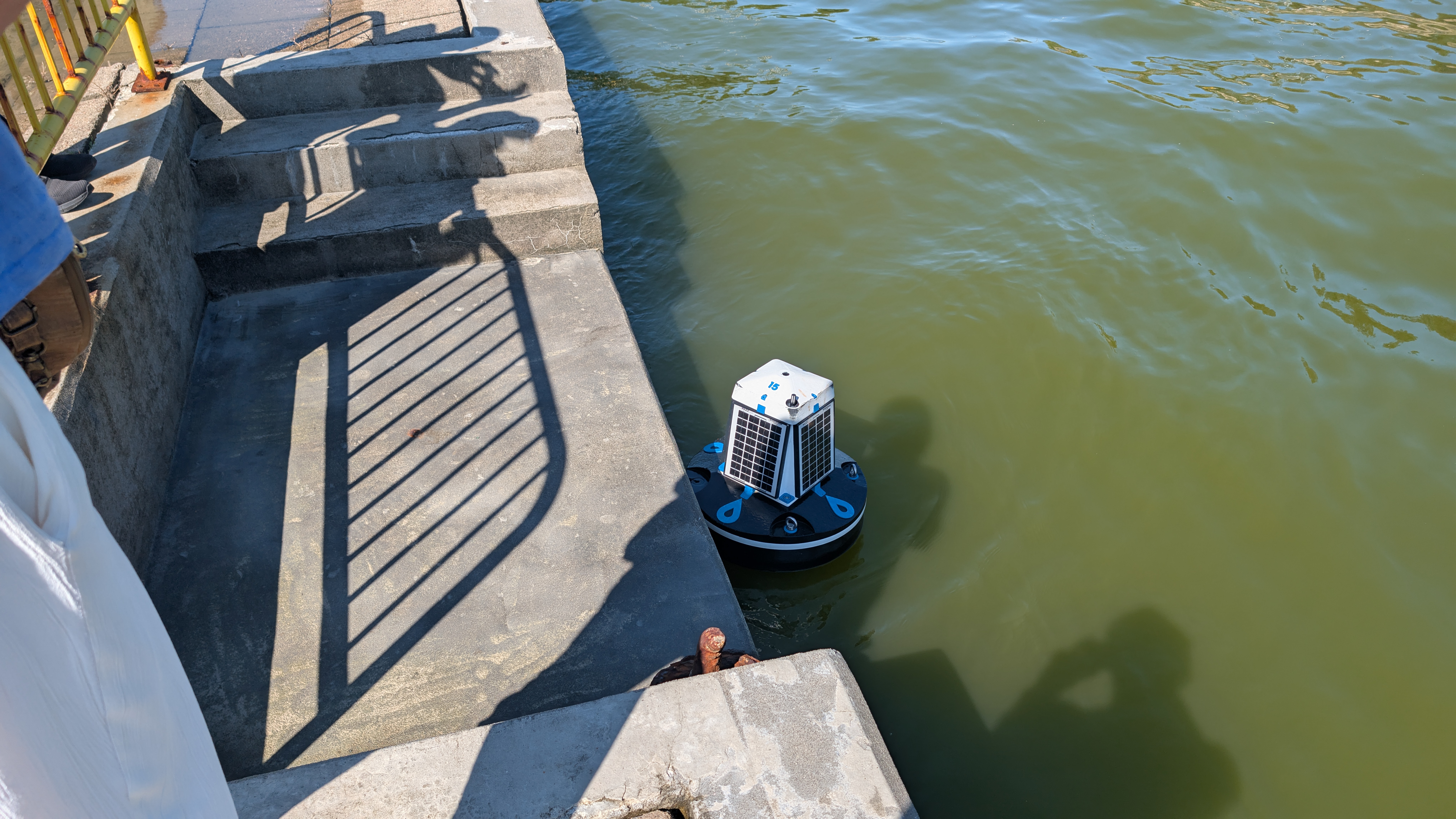
Special emphasis was placed on sensor technologies and monitoring strategies. F&E GmbH shared insights from the German ULTFARMS pilot, highlighting methods for tracking environmental conditions and ecosystem responses. In turn, the Polish partners offered their regional insights and deliberated on potential monitoring needs for the planned activities in Ustka. The discussion examined how sensor-based monitoring could assist in gathering reliable environmental data and evaluating the ecological effectiveness of low-trophic aquaculture as well as other pilot projects.
The visit also offered a platform to explore how the lessons learned and methods established through ULTFARMS and ULTAN could enhance each other. While the German pilot provides practical insights from the execution of innovative multi-use projects, the Ustka region presents a valuable opportunity to investigate how low-trophic aquaculture methods can be tailored to local environmental, economic, and governance contexts.
Aside from the technical discussions, the exchange underscored the necessity of engaging fishers, aquaculture professionals, researchers, public authorities, and other marine stakeholders in the creation and execution of pilot projects. Merging scientific monitoring with local and practical expertise will be crucial for developing solutions that are environmentally responsible and cater to regional needs.
Cross-border collaboration is particularly vital in the Baltic Sea, where ecosystems, fish populations, and human activities transcend national limits. The interaction between ULTFARMS (with F&E GmbH as the German demo site lead) and the Municipality of Ustka thus signifies a meaningful advancement in the transfer of knowledge, technologies, and practical experiences between the German and Polish regions.
This cooperation will persist through the ULTFARMS project, concentrating on pilot initiatives, site evaluations, monitoring strategies, and knowledge exchange. By linking the experiences from the German ULTFARMS pilot with the activities of ULTAN in Ustka, the collaboration aims to foster the development of innovative and low-impact aquaculture methods that can be utilized in multifunctional marine environments throughout the Baltic Sea.